Birds, Bees, and Butterflies Garden: An Edible Ecosystem
Bloom’s garden is an edible ecosystem where people, plants, insects, birds, soil, water, and food all connect.
Life Cycles in the Garden

Exploring Seasonal Change in Kingston’s Ecosystems
In every healthy garden, life moves in cycles.
Seeds sprout, insects emerge, frogs call from ponds, birds raise young, flowers bloom, and leaves return to the soil. These seasonal changes connect plants, wildlife, water, and people together into one living ecosystem.
At Bloom’s Ecological Learning Garden, we observe and support the life cycles of species found right here in Kingston, Ontario and the surrounding Mixedwood Plains ecosystem.
Why Life Cycles Matter
Life cycles help ecosystems remain healthy and balanced.
Different species depend on different stages of the seasons:
-
Spring rains fill vernal ponds
-
Native bees emerge as flowers bloom
-
Salamanders migrate to temporary wetlands
-
Monarch butterflies rely on milkweed to reproduce
-
Birds depend on insects to feed their young
-
Fallen leaves decompose and feed the soil
Every stage supports another.
Species Found in Kingston Area Ecosystems
🦎 Spotted Salamander
Ambystoma maculatum
Spotted salamanders spend most of their lives underground in forested areas. In early spring, during warm rainy nights, they migrate to fish-free vernal ponds to breed.
Females lay jelly-like egg masses attached to underwater vegetation. Larvae hatch in several weeks and develop in the pond before moving onto land later in the season.
Because vernal ponds dry seasonally, fish cannot survive there — making these habitats safer for salamander eggs and larvae.
Why They Matter
Spotted salamanders are important indicators of healthy forests and wetlands.
🐸 Spring Peeper
Pseudacris crucifer
Spring peepers are tiny chorus frogs commonly found in eastern Ontario wetlands and temporary ponds. They are often heard before they are seen.
In early spring, males gather near ponds and call to attract mates. Eggs hatch into tadpoles, which gradually transform into frogs over the summer.
Spring peepers rely on wetlands, forests, and seasonal ponds throughout their lifecycle.
Listen For:
A loud, high-pitched “peep” sound during warm spring evenings.
🦋 Monarch Butterfly
Danaus plexippus
Monarch butterflies migrate thousands of kilometres across North America.
In Ontario, monarchs depend on milkweed plants because monarch caterpillars can only eat milkweed leaves.
Lifecycle stages:
-
Egg
-
Caterpillar
-
Chrysalis
-
Adult butterfly
Native flowering plants provide nectar during migration and breeding seasons.
How We Help Monarchs
-
Plant native milkweed
-
Grow late-season flowers
-
Avoid pesticides
-
Support pollinator habitat
Native Bees & Pollinators
Most native bees in Ontario are solitary bees, meaning they do not live in hives like honey bees.
Many native bees:
-
nest underground
-
emerge in spring
-
pollinate native plants and food crops
-
overwinter in stems, leaves, or soil
Different species emerge at different times depending on flowering plants and temperatures.
Healthy pollinator habitat includes:
-
native flowers
-
nesting areas
-
water
-
undisturbed soil
-
dead stems and leaf litter
Dragonflies & Pond Insects
Dragonflies begin life underwater as aquatic larvae called nymphs.
They may spend months or even years underwater before emerging as flying adults.
Dragonflies help control mosquito populations and are important indicators of wetland health.
Vernal ponds and wet habitats support:
-
dragonflies
-
damselflies
-
water beetles
-
aquatic insects
-
amphibians
The Soil Cycle
Life cycles happen underground too.
Healthy soil contains:
-
fungi
-
bacteria
-
worms
-
insects
-
roots
-
decomposing organic matter
As plants and leaves break down, nutrients return to the soil to support future growth.
Composting helps speed up this natural nutrient cycle.
Seasonal Changes in the Garden
🌱 Spring
-
Salamander migration
-
Frog calls begin
-
Pollinators emerge
-
Seeds germinate
☀ Summer
-
Insects pollinate flowers
-
Birds feed young
-
Plants flower and fruit
-
Pond life increases
🍂 Fall
-
Seeds mature
-
Leaves decompose
-
Animals prepare for winter
-
Pollinators seek shelter
❄ Winter
-
Soil organisms continue working
-
Seeds rest underground
-
Many insects overwinter in stems and leaf litter
Nature remains active year-round.
How Students Participate
Students in Bloom’s Garden Programs help:
-
monitor species
-
track biodiversity
-
identify insects and plants
-
observe seasonal changes
-
support pollinator habitats
-
care for wetlands and soil
-
contribute to citizen science projects
Through observation and stewardship, students learn how ecosystems function as connected communities.
What Is a Food Web?
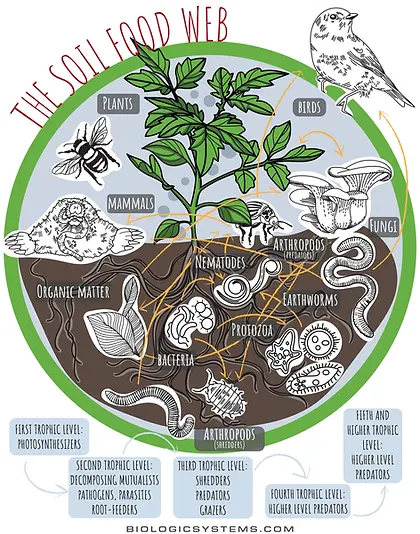
A food web shows how energy moves through an ecosystem.
Unlike a simple food chain, a food web contains many overlapping connections.
For example:
-
Native plants feed insects
-
Insects feed birds and amphibians
-
Birds help control pests
-
Fungi and worms decompose organic matter
-
Nutrients return to the soil
-
Healthy soil supports new plant growth
Every species plays a role.
When biodiversity increases, ecosystems become stronger and more resilient.
The Foundation of the Food Web: Native Plants
Native plants are the foundation of local ecosystems.
Plants capture sunlight and turn it into energy through photosynthesis. This energy supports almost every other organism in the food web.
In Kingston and the surrounding Mixedwood Plains region, native plants support:
-
pollinators
-
caterpillars
-
birds
-
amphibians
-
mammals
-
fungi
-
soil organisms
Many insects and wildlife species depend specifically on native plants because they evolved together over thousands of years.
Examples of native plants important to food webs in eastern Ontario include:
-
Milkweed
-
Goldenrod
-
Asters
-
Oak trees
-
Serviceberry
-
Native grasses
-
Joe Pye Weed
-
Black-eyed Susan
Pollinators and Insects
Pollinators are an essential part of the garden food web.
Native bees, butterflies, moths, flies, beetles, and hummingbirds help flowering plants reproduce by moving pollen between flowers. Approximately 75% of flowering plants rely on pollinators.
Ontario is home to more than 1,000 pollinator species.
Different insects play different ecological roles:
-
Bees pollinate crops and wildflowers
-
Lady beetles eat aphids
-
Dragonflies help control mosquitoes
-
Beetles decompose organic matter
-
Caterpillars provide food for birds
Many birds depend heavily on insects during nesting season to feed their young.
Birds in the Garden Food Web
Birds help maintain ecological balance in gardens.
Local species such as:
-
Purple Martins
-
Tree Swallows
-
Chickadees
-
Goldfinches
-
Owls
-
Woodpeckers
all play important ecological roles.
For example:
-
Swallows consume large numbers of flying insects
-
Owls help control rodent populations
-
Goldfinches eat seeds and support seed dispersal
-
Woodpeckers create cavities used by other wildlife species
Dead trees, logs, and habitat structures support many bird species and other wildlife. Cavities created by woodpeckers are later used by other birds and mammals.
Amphibians and Vernal Ponds
Amphibians are important indicators of ecosystem health.
Species found in eastern Ontario wetlands and woodlands include:
-
Spring Peepers
-
Green Frogs
-
Wood Frogs
-
Spotted Salamanders
These species depend on:
-
clean water
-
moist habitat
-
seasonal wetlands
-
leaf litter
-
healthy insect populations
Amphibians help control insects and also serve as food for birds, snakes, turtles, and mammals.
Vernal ponds are especially important because they provide breeding habitat free from predatory fish.
Soil Food Web
One of the most important food webs exists underground.
Healthy soil contains:
-
fungi
-
bacteria
-
nematodes
-
worms
-
insects
-
roots
-
decomposing organic matter
These organisms:
-
recycle nutrients
-
improve soil structure
-
retain water
-
support plant growth
-
break down organic matter
Soil organisms are essential to healthy ecosystems and food production.
Compost helps strengthen this underground food web by feeding microorganisms and returning nutrients to the soil.
Decomposers: Nature’s Recyclers
Decomposers break down dead plants and animals and return nutrients to the ecosystem.
Important decomposers include:
-
fungi
-
bacteria
-
worms
-
pill bugs
-
beetles
Without decomposers:
-
nutrients would not return to the soil
-
plants could not grow effectively
-
ecosystems would become overwhelmed with waste
In nature, nothing is wasted.
Habitat Structures Support Food Webs
Healthy food webs require habitat.
Natural habitat structures include:
-
logs
-
leaf litter
-
dead stems
-
brush piles
-
native grasses
-
wetlands
-
standing dead trees
These features provide:
-
shelter
-
nesting habitat
-
overwintering spaces
-
moisture
-
protection from predators
Loose bark, downed logs, and dead wood support insects, amphibians, fungi, and cavity-nesting birds.
Threats to Local Food Webs
Food webs can become disrupted by:
-
habitat loss
-
invasive species
-
pesticide use
-
pollution
-
climate change
-
fragmentation of natural spaces
Southern Ontario contains some of Canada’s richest biodiversity, but many ecosystems are under pressure from urban development and habitat degradation.
Supporting native biodiversity helps strengthen ecosystem resilience.
How Bloom Supports Local Food Webs
Bloom’s Ecological Learning Garden helps support biodiversity by:
-
planting native species
-
creating pollinator habitat
-
maintaining vernal pond areas
-
composting organic material
-
no pesticide use
-
preserving leaf litter and habitat structures
-
supporting birds and beneficial insects
-
teaching ecological stewardship
Students learn how ecosystems function through hands-on observation, gardening, species tracking, and habitat care.
Observe the Food Web Around You
As you explore the garden, look for:
-
pollinators visiting flowers
-
birds feeding on insects
-
dragonflies near water
-
worms in the soil
-
fungi decomposing leaves
-
seeds being eaten or dispersed
-
signs of wildlife shelter
Every interaction is part of the food web.
Learn More
-
Pollinator Partnership Canada
Pollinator Corridor
Creating Habitat Pathways for Kingston’s Native Pollinators

Pollinators are essential to healthy ecosystems, food production, and biodiversity.
At Bloom’s Ecological Learning Garden, our Pollinator Corridor is designed to provide food, shelter, nesting habitat, and safe movement pathways for pollinators found in Kingston, Ontario and the surrounding Mixedwood Plains region.
A pollinator corridor is more than a flower garden.
It is a connected habitat system that helps pollinators survive throughout their entire lifecycle.
What Is a Pollinator?
Pollinators move pollen between flowers, helping plants reproduce.
As pollinators feed on nectar and pollen, they transfer pollen from one flower to another, allowing many plants to produce:
-
seeds
-
fruits
-
vegetables
-
berries
Approximately 75% of flowering plants and many food crops rely on pollinators. (pollinatorpartnership.ca)
Without pollinators, ecosystems and food systems would change dramatically.
Pollinators Found in Kingston, Ontario
Eastern Ontario supports many native pollinator species.
These include:
-
Native solitary bees
-
Bumble bees
-
Monarch butterflies
-
Swallowtail butterflies
-
Moths
-
Hoverflies
-
Beetles
-
Hummingbirds
Ontario is home to more than 400 species of native bees. Most are solitary bees rather than hive-forming bees. (pollinatorpartnership.ca)
Unlike honey bees, many native bees:
-
nest underground
-
use hollow stems
-
rely on native plants
-
emerge during specific seasonal bloom periods
Why Native Pollinators Matter
Native pollinators evolved alongside native plants over thousands of years.
Because of this relationship:
-
some insects depend on very specific plants
-
some flowers are shaped for certain pollinators
-
bloom timing matches pollinator emergence
-
native ecosystems become interconnected
For example:
-
Monarch caterpillars rely exclusively on milkweed leaves
-
Specialist bees may only collect pollen from certain native flowers
-
Many birds depend on caterpillars to feed their young
Biodiversity depends on these relationships.
Pollinator Corridors Help Connect Habitat
Urban development and habitat fragmentation can make it difficult for pollinators to find:
-
food
-
shelter
-
nesting sites
-
water
Pollinator corridors create connected habitat pathways that help pollinators move safely between green spaces.
Even small gardens can support biodiversity when planted intentionally.
Connected habitat is especially important in cities and developed areas.
What Pollinators Need
Healthy pollinator habitat provides more than flowers.
Pollinators also need:
-
nesting habitat
-
clean water
-
shelter from weather
-
safe overwintering spaces
-
pesticide-free environments
Different species use different habitats throughout the year.
Native Plants in the Pollinator Corridor
Native plants provide the best support for local pollinators because they evolved together.
Examples of pollinator-friendly native plants for eastern Ontario include:
-
Milkweed
-
Goldenrod
-
New England Aster
-
Wild Bergamot
-
Joe Pye Weed
-
Black-eyed Susan
-
Purple Coneflower
-
Serviceberry
-
Native grasses
These plants provide nectar and pollen throughout different seasons.
Bloom Timing Matters
Pollinators need food from spring through fall.
A healthy pollinator corridor contains plants that bloom at different times:
-
Spring flowers support emerging bees
-
Summer flowers provide nectar during breeding season
-
Fall flowers fuel migration and overwintering preparation
Goldenrod and asters are especially important late-season food sources for many pollinators in Ontario. (xerces.org)
Nesting Habitat for Native Bees
Many native bees do not live in hives.
Different species nest:
-
underground
-
in hollow stems
-
in dead wood
-
in leaf litter
Pollinator-friendly gardens often leave:
-
bare patches of soil
-
dead stems
-
logs
-
leaf litter
-
natural areas
These features provide important nesting and overwintering habitat.
Pollinators and Food Production
Pollinators support many foods grown in gardens and farms.
Pollinator-dependent crops include:
-
tomatoes
-
squash
-
cucumbers
-
peppers
-
berries
-
apples
-
beans
Healthy pollinator populations help improve:
-
crop yields
-
biodiversity
-
ecosystem resilience
Threats to Pollinators
Pollinator populations face many challenges:
-
habitat loss
-
pesticide use
-
climate change
-
invasive species
-
disease
-
fragmentation of green spaces
Supporting native plants and reducing pesticide use are important ways communities can help pollinators survive.
How Bloom Supports Pollinators
Bloom’s Ecological Learning Garden supports pollinators by:
-
planting native flowers
-
no pesticide use
-
preserving habitat structures
-
leaving overwintering habitat
-
creating seasonal bloom succession
-
maintaining water sources
-
teaching ecological stewardship
Students learn about pollinator relationships through:
-
species observation
-
biodiversity tracking
-
gardening
-
habitat restoration
-
citizen science projects
Observe the Pollinator Corridor
As you explore the garden, look for:
-
bees collecting pollen
-
butterflies feeding on nectar
-
caterpillars on host plants
-
insects sheltering in stems and grasses
-
birds feeding on insects
-
seasonal changes in flowering plants
Every pollinator interaction helps support the ecosystem.
How You Can Help Pollinators at Home
You can support pollinators by:
-
planting native species
-
avoiding pesticides
-
leaving some natural areas “messy”
-
planting flowers for multiple seasons
-
providing shallow water sources
-
leaving leaves and stems through winter
Small habitat spaces can make a big difference.
Learn More
-
Pollinator Partnership Canada
Compost In Action
How Nature Recycles Nutrients in the Garden
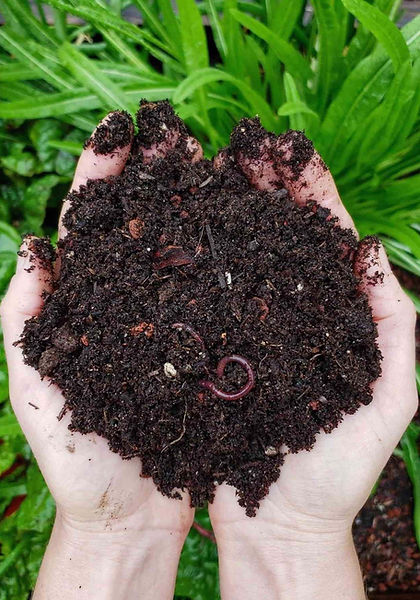
Composting is one of the most important natural processes in a healthy ecosystem.
At Bloom’s Ecological Learning Garden, compost helps transform food scraps, leaves, garden waste, and plant material into nutrient-rich soil that supports biodiversity, food production, and healthy ecosystems.
Compost is not waste.
It is part of nature’s recycling system.
What Is Compost?
Compost is decomposed organic material.
When plant matter breaks down, nutrients are returned to the soil where they can support future growth.
In nature, decomposition happens continuously:
-
leaves fall
-
plants die back
-
fungi and insects break material down
-
nutrients return to the ecosystem
Composting helps speed up this natural cycle.
Why Compost Matters
Healthy compost helps:
-
build soil structure
-
improve water retention
-
reduce landfill waste
-
feed beneficial soil organisms
-
support healthy plant growth
-
store carbon in the soil
-
reduce erosion
Compost also helps create resilient gardens that require less synthetic fertilizer.
The Compost Food Web
Compost is full of living organisms.
Many species work together to decompose organic material, including:
-
bacteria
-
fungi
-
worms
-
beetles
-
springtails
-
mites
-
pill bugs
These organisms:
-
break down material
-
recycle nutrients
-
create healthy soil
-
support plant growth
Healthy compost is alive.
Browns and Greens: Building Balanced Compost
Successful compost contains a balance of:
Browns (Carbon-Rich Materials)
and
Greens (Nitrogen-Rich Materials)
Browns
Approximately 60–75% of the pile
Brown materials include:
-
dry leaves
-
straw
-
cardboard
-
paper
-
dead stems
-
wood chips
-
dried plant material
Browns provide:
-
carbon
-
structure
-
airflow
-
energy for microorganisms
Greens
Approximately 25–40% of the pile
Green materials include:
-
fruit scraps
-
vegetable scraps
-
coffee grounds
-
fresh grass clippings
-
green plant material
Greens provide:
-
nitrogen
-
protein for microbes
-
moisture
Balanced compost requires both materials working together.
Moisture and Air
Compost organisms need:
-
oxygen
-
moisture
-
warmth
Healthy compost should feel:
Like a wrung-out sponge
Too dry:
-
decomposition slows
Too wet:
-
oxygen disappears
-
unpleasant smells develop
-
decomposition becomes unhealthy
Turning compost helps add oxygen and improve airflow.
Turning the Compost
Turning compost:
-
mixes materials
-
increases oxygen
-
speeds decomposition
-
reduces odor
-
helps maintain moisture balance
Small compost piles may be turned:
-
every 1–2 weeks
-
or when compacted
Turning is part of caring for the ecosystem inside the pile.
Compost Temperature
Active compost piles naturally heat up.
This heat is produced by microorganisms breaking down material.
Warm compost:
-
decomposes faster
-
supports microbial activity
-
can help reduce weed seeds and some pathogens
Steam rising from compost on cool mornings is a sign of active decomposition.
What NOT to Compost
Some materials can create problems in compost systems.
Avoid adding:
-
meat
-
dairy
-
oils and grease
-
pet waste
-
diseased plants
-
invasive weeds with seeds
-
chemically treated wood
These materials may:
-
attract pests
-
spread disease
-
disrupt decomposition
Compost and Soil Health
Compost improves soil by:
-
feeding microorganisms
-
improving soil structure
-
increasing water retention
-
reducing compaction
-
adding organic matter
Healthy soil supports:
-
plant roots
-
pollinators
-
insects
-
fungi
-
birds
-
food production
Soil is part of the larger food web.
Compost and Climate
Composting helps reduce organic waste sent to landfills.
When food waste breaks down in landfills without oxygen, it can produce methane, a powerful greenhouse gas.
Composting returns nutrients to the soil instead.
Healthy soils also help store carbon and improve climate resilience.
Decomposition in Kingston Ecosystems
In eastern Ontario ecosystems, decomposition naturally occurs in:
-
forests
-
wetlands
-
meadows
-
gardens
Fungi, insects, worms, and bacteria break down:
-
fallen leaves
-
dead wood
-
plant material
-
animal waste
Leaf litter and decaying logs are important habitat for many species found around Kingston, including:
-
salamanders
-
beetles
-
fungi
-
native bees
-
overwintering insects
Decomposition supports biodiversity.
Compost Troubleshooting
Smells Bad
Possible cause:
-
too wet
-
too many greens
Solution:
-
add browns
-
turn the pile
Too Dry
Possible cause:
-
not enough moisture
Solution:
-
add water gradually
Not Breaking Down
Possible cause:
-
too cold
-
too dry
-
not enough greens
Solution:
-
turn pile
-
add greens
-
increase moisture
Fruit Flies
Possible cause:
-
exposed food scraps
Solution:
-
cover food with brown material
How Bloom Uses Compost
At Bloom’s Ecological Learning Garden, compost helps:
-
nourish raised beds
-
improve soil health
-
support pollinator plants
-
reduce waste
-
teach ecological stewardship
-
demonstrate nutrient cycling
Students learn:
-
compost building
-
sorting greens and browns
-
moisture management
-
soil science
-
ecosystem relationships
-
sustainable gardening practices
Observe Compost in Action
As you explore the garden, look for:
-
worms
-
fungi
-
decomposing leaves
-
insects
-
dark healthy soil
-
new plant growth
Decomposition is one of the most important processes in healthy ecosystems.
Nothing in nature is wasted.
Learn More
-
Ontario Master Gardeners
-
Teaming with Microbes — Jeff Lowenfels & Wayne Lewis
-
City of Kingston Green Waste Information
Habitat Structures
Creating Safe Spaces for Wildlife in Kingston’s Ecosystems

Healthy ecosystems need more than food and water.
Wildlife also needs:
-
shelter
-
nesting areas
-
overwintering habitat
-
protection from predators
-
moisture
-
safe places to raise young
At Bloom’s Ecological Learning Garden, habitat structures help support biodiversity by creating spaces where local wildlife can rest, feed, reproduce, and survive seasonal changes.
Many important habitat features are inspired by natural ecosystems found in eastern Ontario forests, wetlands, meadows, and hedgerows.
What Are Habitat Structures?
Habitat structures are natural or human-made features that provide shelter and resources for wildlife.
Examples include:
-
logs
-
brush piles
-
dead stems
-
native grasses
-
leaf litter
-
rock piles
-
bird houses
-
bee nesting areas
-
ponds
-
standing dead trees (snags)
These structures support many species throughout different stages of their life cycles.
Why Habitat Structures Matter
Many wildlife species are declining because of:
-
habitat loss
-
urban development
-
removal of dead wood and leaf litter
-
pesticide use
-
fragmented green spaces
Even small habitat features can help support biodiversity in urban and community gardens.
Habitat diversity increases ecosystem resilience.
The more types of habitat an ecosystem contains, the more species it can support.
Dead Wood Is Alive
One of the most important habitat structures in nature is dead wood.
Fallen logs, branches, and standing dead trees provide habitat for:
-
insects
-
fungi
-
salamanders
-
birds
-
mammals
-
mosses
-
microorganisms
As wood decomposes, it stores moisture and slowly returns nutrients to the ecosystem.
Dead wood also supports cavity-nesting species such as:
-
woodpeckers
-
chickadees
-
owls
-
some solitary bees
In natural forests, decomposition is part of the life cycle of the ecosystem.
Leaf Litter and Ground Habitat
Leaves are more than yard waste.
Leaf litter creates habitat for:
-
overwintering pollinators
-
beetles
-
spiders
-
salamanders
-
frogs
-
fungi
-
soil organisms
Many native bees and butterflies overwinter in:
-
hollow stems
-
leaves
-
underground burrows
Removing all leaves in fall can reduce important habitat for beneficial insects and pollinators.
Natural ground cover also helps:
-
retain moisture
-
protect soil
-
reduce erosion
-
support decomposition
Native Plant Habitat
Native plants provide both food and shelter.
Different plant structures support different wildlife species:
-
grasses provide nesting cover
-
shrubs offer protection
-
flowers support pollinators
-
seed heads feed birds
-
stems provide overwintering habitat
In Kingston’s ecosystems, native plants support:
-
butterflies
-
native bees
-
birds
-
amphibians
-
mammals
Dense planting also helps create cooler, more stable microclimates.
Brush Piles and Shelter Areas
Brush piles mimic natural woodland habitat.
Piles made from branches, sticks, and natural materials can provide shelter for:
-
birds
-
rabbits
-
insects
-
toads
-
snakes
-
overwintering wildlife
These areas create:
-
protection from predators
-
insulation from weather
-
safe nesting and hiding spaces
Messy areas are often important ecological spaces.
Rock Piles and Moisture Habitat
Rock piles create cool, sheltered spaces for many species.
These habitats may support:
-
insects
-
amphibians
-
snakes
-
spiders
-
small mammals
Moist shaded areas beneath rocks help animals avoid overheating and dehydration.
Bee Habitat Structures
Most native bees do not live in hives.
Different species nest:
-
underground
-
in hollow stems
-
in dead wood
-
in cracks and crevices
Bee-friendly habitat may include:
-
undisturbed soil
-
hollow stems
-
native grasses
-
untreated wood
-
natural debris
Bee hotels can support some species, but natural habitat diversity is often more beneficial than highly managed nesting structures.
Bird Habitat Structures
Birds need:
-
nesting areas
-
shelter
-
food sources
-
water
-
safe resting places
Habitat structures for birds may include:
-
shrubs
-
trees
-
cavity habitats
-
nesting boxes
-
native seed plants
-
water sources
Local species that may benefit from habitat-friendly gardens include:
-
Purple Martins
-
Tree Swallows
-
Chickadees
-
Goldfinches
-
Wrens
-
Owls
Many birds also help gardens by controlling insect populations.
Vernal Ponds and Wet Habitat
Temporary wetlands and moist habitat zones provide breeding areas for:
-
frogs
-
salamanders
-
aquatic insects
-
dragonflies
Seasonal water features support biodiversity by creating habitat that changes throughout the year.
Vernal ponds are especially important because they usually do not contain fish predators.
Habitat Structures Through the Seasons
🌱 Spring
-
Amphibians migrate
-
Pollinators emerge
-
Birds begin nesting
☀ Summer
-
Insects reproduce
-
Birds raise young
-
Habitat provides cooling and moisture
🍂 Fall
-
Seeds provide food
-
Pollinators prepare for winter
-
Animals seek shelter
❄ Winter
-
Many insects overwinter in stems and leaves
-
Brush piles shelter wildlife
-
Seeds feed birds
Wildlife depends on habitat year-round.
Habitat Structures and Biodiversity
Healthy ecosystems contain many small habitats connected together.
Different species rely on:
-
different temperatures
-
moisture levels
-
plant structures
-
nesting areas
-
food sources
Diverse habitats support diverse life.
This interconnected system forms part of the larger food web.
How Bloom Supports Wildlife Habitat
Bloom’s Ecological Learning Garden supports biodiversity by:
-
preserving leaf litter
-
maintaining pollinator habitat
-
protecting wetland areas
-
using native plants
-
leaving habitat structures in place
-
reducing pesticide use
-
supporting bird and insect habitat
-
teaching ecological stewardship
Students learn how habitat structures support local ecosystems through:
-
observation
-
species tracking
-
biodiversity monitoring
-
gardening
-
habitat restoration
Observe Habitat Around You
As you explore the garden, look for:
-
insects sheltering under leaves
-
birds nesting in shrubs
-
fungi growing on logs
-
bees using stems and soil
-
salamanders beneath moist debris
-
spiders weaving between plants
Small habitats support entire ecosystems.
A Healthy Garden Is Not Always Tidy
Natural ecosystems contain:
-
dead wood
-
leaf litter
-
dense planting
-
seasonal decay
-
moisture
-
variation
These “messy” spaces are often the most important habitats for wildlife.
Ecological gardening works with nature’s systems rather than removing them.
Learn More
-
Pollinator Partnership Canada
-
Natural Habitats and Wildlife Gardening — Shaun McCoshum
-
Bringing Nature Home — Douglas Tallamy
Vernal Pond Habitat
Seasonal Wetlands and the Web of Life in Ecosystems

Vernal ponds are temporary wetlands that provide essential habitat for many species found in eastern Ontario.
Unlike permanent ponds, vernal ponds usually fill with water in spring and gradually dry out later in the season.
Although they may appear small or temporary, these habitats are biodiversity hotspots that support amphibians, insects, birds, plants, and microorganisms.
At Lakeside Community Garden, our vernal pond helps demonstrate how water connects ecosystems and supports life cycles throughout the seasons.
What Is a Vernal Pond?
A vernal pond is a seasonal wetland that typically:
-
fills with snowmelt and spring rain
-
holds water temporarily
-
dries partially or fully during summer or fall
Because vernal ponds often dry seasonally, fish usually cannot survive in them.
This is important because many amphibians rely on fish-free water to safely lay eggs and raise larvae.
Vernal ponds are especially important in forested and wetland ecosystems throughout Ontario.
Why Vernal Ponds Matter
Even small seasonal wetlands support a surprising amount of biodiversity.
Vernal ponds provide:
-
breeding habitat
-
nursery habitat for young animals
-
drinking water
-
insect habitat
-
cooling areas
-
moisture for nearby ecosystems
Many species depend entirely on temporary wetlands during key parts of their life cycles.
Without seasonal wetlands, some local amphibians could not reproduce successfully.
Vernal Ponds in Eastern Ontario
The Kingston region lies within the Mixedwood Plains ecozone, one of Canada’s most biodiverse and heavily developed ecological regions.
Seasonal wetlands in eastern Ontario support:
-
amphibians
-
reptiles
-
birds
-
insects
-
native plants
-
fungi
-
soil organisms
Many vernal ponds have disappeared due to:
-
urban development
-
drainage
-
road construction
-
habitat fragmentation
Protecting wetland habitat helps preserve biodiversity.
Amphibians of Kingston’s Vernal Ponds
🦎 Spotted Salamander
Ambystoma maculatum
Spotted salamanders spend most of their lives underground in moist forests.
In early spring, adults migrate to vernal ponds during rainy evenings to breed.
Females lay jelly-like egg masses attached to underwater vegetation. Larvae develop in the pond before moving onto land later in the season.
Because vernal ponds lack fish predators, salamander eggs and larvae have a greater chance of survival.
Spotted salamanders are considered important indicators of ecosystem health.
🐸 Spring Peeper
Pseudacris crucifer
Spring peepers are tiny chorus frogs common in eastern Ontario wetlands.
In early spring, males gather near ponds and make loud “peeping” calls to attract mates.
Eggs hatch into tadpoles, which gradually transform into frogs over the summer.
Spring peepers depend on:
-
wetlands
-
moist forests
-
healthy insect populations
-
seasonal water systems
Their calls are often one of the first sounds of spring.
🐸 Wood Frog
Lithobates sylvaticus
Wood frogs are one of the earliest breeding frogs in Ontario.
They often use temporary wetlands because the absence of fish provides safer breeding habitat.
Wood frogs are remarkable because they can partially freeze during winter and survive by producing natural antifreeze compounds in their bodies.
Insects of Vernal Ponds
Seasonal wetlands support many aquatic insects that form an important part of the food web.
Common pond insects include:
-
dragonflies
-
damselflies
-
water striders
-
diving beetles
-
mosquito larvae
-
caddisflies
These insects:
-
help recycle nutrients
-
provide food for birds and amphibians
-
help maintain ecosystem balance
Dragonfly Life Cycles
Dragonflies begin life underwater as aquatic nymphs.
Depending on the species, they may live underwater for months or even years before emerging as flying adults.
Dragonflies are important predators that help control mosquito populations.
Healthy dragonfly populations are often signs of healthy wetlands.
Plants Around Vernal Ponds
Wetland plants help stabilize soil and support wildlife habitat.
Plants commonly associated with wetland edges in eastern Ontario include:
-
cattails
-
sedges
-
rushes
-
Joe Pye Weed
-
swamp milkweed
-
marsh marigold
-
native grasses
Wetland plants provide:
-
shelter
-
nesting habitat
-
erosion control
-
shade
-
oxygen for aquatic systems
Native plants also support pollinators and beneficial insects.
Vernal Ponds and the Food Web
Vernal ponds are connected to surrounding ecosystems.
For example:
-
insects emerging from ponds feed birds
-
amphibians help control insect populations
-
fallen leaves feed aquatic decomposers
-
wetland plants support pollinators
-
microorganisms recycle nutrients
Water links together many parts of the ecosystem.
Seasonal Changes in the Vernal Pond
🌱 Spring
-
Snowmelt fills ponds
-
Salamanders migrate
-
Aquatic insects emerge
☀ Summer
-
Tadpoles develop
-
Dragonflies emerge
-
Wetland plants grow rapidly
-
Water levels may begin to drop and disappear
🍂 Fall
-
Leaves fall into the pond
-
Nutrients cycle into the ecosystem
-
Amphibians seek shelter for winter
❄ Winter
-
Some organisms overwinter underwater or underground
-
Ecosystem activity slows but continues
Seasonal change is part of the pond’s natural cycle.
Vernal Ponds and Climate Resilience
Wetlands help ecosystems adapt to changing environmental conditions.
Healthy wetlands can:
-
store water
-
reduce flooding
-
improve water quality
-
support biodiversity
-
cool surrounding environments
-
store carbon
Protecting wetlands helps strengthen ecological resilience.
Threats to Vernal Ponds
Vernal ponds face many threats:
-
habitat loss
-
pollution
-
draining and filling
-
road salt
-
invasive species
-
climate change
-
habitat fragmentation
Because many seasonal wetlands are small and temporary, they are often overlooked or misunderstood.
Even small wet habitats can support important biodiversity.
How Bloom Supports Vernal Pond Habitat
Bloom’s Ecological Learning Garden helps support wetland biodiversity by:
-
protecting seasonal water habitat
-
planting native species
-
no pesticide use
-
supporting amphibian habitat
-
preserving moisture and leaf litter
-
teaching ecological stewardship
-
tracking biodiversity through citizen science
Students help observe and document species using:
-
iNaturalist
-
Seek by iNaturalist
-
seasonal species tracking
-
pond observation activities
Observe the Vernal Pond
As you explore the pond area, look and listen for:
-
dragonflies
-
aquatic insects
-
bird activity
-
wetland plants
-
salamander habitat
-
signs of seasonal change
Every species plays a role in the ecosystem.
Please Respect the Habitat
Vernal ponds are fragile ecosystems.
To help protect wildlife:
-
observe gently
-
avoid disturbing eggs or animals
-
stay on designated paths
-
leave logs and leaf litter in place
-
avoid introducing fish or other species
Small actions help protect biodiversity.
Learn More
-
Ontario Wetlands Evaluation System
Bird Friendly Habitat
Supporting the Birds of Kingston’s Garden Ecosystems

Birds are an important part of healthy ecosystems.
At Bloom’s Learning Garden, bird-friendly habitat helps support local species by providing:
-
food
-
shelter
-
nesting areas
-
water
-
safe resting spaces
Birds contribute to ecological balance by helping control insects, dispersing seeds, pollinating plants, and supporting biodiversity throughout the garden.
Creating habitat for birds also helps strengthen the larger food web.
Why Birds Matter in the Garden
Birds help ecosystems function in many ways.
Different bird species:
-
eat insects
-
spread seeds
-
pollinate flowers
-
control rodents
-
recycle nutrients
-
create habitat for other species
Bird activity is often a sign of healthy biodiversity.
Gardens that support birds usually support many other species as well.
Bird Habitat in Kingston, Ontario
Kingston lies within the Mixedwood Plains ecozone, one of Canada’s richest ecological regions.
The area contains:
-
wetlands
-
forests
-
grasslands
-
shorelines
-
meadows
-
urban green spaces
This diversity of habitat supports many bird species throughout the year.
Some birds remain year-round, while others migrate through eastern Ontario during spring and fall.
Birds Supported by Garden Habitat
Purple Martin
Progne subis
Purple martins are aerial insectivores, meaning they feed on flying insects while in flight.
They are the largest swallow species in North America and migrate thousands of kilometres between South America and Ontario.
Purple martins rely heavily on:
-
open habitat
-
flying insect populations
-
safe nesting areas near water and fields
In many parts of eastern North America, purple martins now depend almost entirely on human-provided nesting structures.
Tree Swallow
Tachycineta bicolor
Tree swallows feed on flying insects and often nest near wetlands, ponds, meadows, and gardens.
They are cavity nesters, meaning they use:
-
tree holes
-
nesting boxes
-
natural cavities
Tree swallows help control mosquito and flying insect populations.
Healthy wetland and meadow habitat supports their food supply.
American Goldfinch
Spinus tristis
Goldfinches feed heavily on seeds from native plants such as:
-
coneflowers
-
sunflowers
-
asters
-
native grasses
Unlike many birds, goldfinches nest later in summer when seed production is highest.
Leaving seed heads standing through fall and winter helps provide important food sources.
Eastern Screech Owl
Megascops asio
Small owls help maintain balance by controlling rodents and small mammals.
Owls rely on:
-
mature trees
-
nesting cavities
-
shelter
-
healthy prey populations
Habitat structures such as dead trees and wooded areas support owl habitat.
Black-capped Chickadee
Poecile atricapillus
Chickadees are year-round residents in eastern Ontario.
They feed on:
-
insects
-
seeds
-
larvae
-
spiders
During breeding season, chickadees rely heavily on caterpillars and insects to feed their young.
Native plants help support the insect populations birds depend on.
Birds and the Food Web
Birds connect many parts of the ecosystem.
For example:
-
swallows eat flying insects
-
owls control rodents
-
goldfinches disperse seeds
-
woodpeckers create nesting cavities
-
birds spread plant seeds through droppings
-
insect-eating birds help maintain ecological balance
Birds are both predators and prey within the food web.
Healthy bird populations often indicate healthy ecosystems.
Native Plants Support Birds
Bird-friendly gardens depend on native plants.
Native plants provide:
-
seeds
-
berries
-
nectar
-
shelter
-
nesting material
-
insect habitat
Many birds rely on insects to feed their young, especially caterpillars.
Native plants support far more insect diversity than many non-native ornamental plants.
Important native plants for birds in eastern Ontario include:
-
Serviceberry
-
Elderberry
-
Dogwood
-
Coneflowers
-
Goldenrod
-
Asters
-
Native grasses
-
Oak trees
Habitat Structures for Birds
Birds need more than food.
Healthy bird habitat includes:
-
shrubs for shelter
-
dense plantings
-
nesting cavities
-
standing dead trees
-
water sources
-
leaf litter
-
meadow habitat
Dead trees and snags are especially important because they provide:
-
nesting cavities
-
insect habitat
-
shelter
Woodpeckers create cavities later used by:
-
owls
-
chickadees
-
bluebirds
-
tree swallows
-
small mammals
Water and Birds
Birds require clean water for:
-
drinking
-
bathing
-
cooling
-
feeding
Wetlands, vernal ponds, and shallow water areas support:
-
insect populations
-
amphibians
-
aquatic plants
-
bird habitat
Many migratory birds rely on wetland stopover habitat during migration.
Seasonal Bird Activity
🌱 Spring
-
Migration begins
-
Nest building starts
-
Insect populations increase
☀ Summer
-
Birds raise young
-
Insect feeding peaks
-
Seed production begins
🍂 Fall
-
Migration resumes
-
Birds feed heavily before winter
-
Seeds and berries become important food sources
❄ Winter
-
Resident birds rely on seeds and shelter
-
Evergreens and dense shrubs provide protection
Bird habitat is important year-round.
Threats to Bird Populations
Many bird populations face challenges from:
-
habitat loss
-
pesticide use
-
collisions with windows
-
invasive species
-
loss of wetlands
-
climate change
-
declining insect populations
Aerial insectivores such as swallows and martins have experienced major population declines in recent decades.
Supporting healthy insect populations helps support birds.
How Bloom Supports Bird Habitat
Bloom’s Ecological Learning Garden supports birds by:
-
planting native species
-
preserving habitat structures
-
reducing pesticide use
-
supporting pollinator populations
-
maintaining wetland habitat
-
leaving seed heads standing
-
creating diverse layered habitat
-
supporting insect biodiversity
Students help monitor bird activity through:
-
species observation
-
seasonal tracking
-
citizen science
-
habitat stewardship
Observe Birds in the Garden
As you explore the garden, look and listen for:
-
birds feeding on insects
-
swallows flying overhead
-
goldfinches on seed heads
-
nesting activity
-
bird calls
-
feathers or tracks
-
signs of feeding
Birds help tell the story of ecosystem health.
How You Can Support Birds at Home
You can create bird-friendly habitat by:
-
planting native plants
-
reducing pesticide use
-
leaving seed heads through winter
-
preserving leaf litter
-
providing water
-
protecting mature trees
-
installing nesting boxes
-
reducing nighttime light pollution
Small habitats can support many species.